How Truck Accident Lawyers Investigate Commercial Truck Crashes
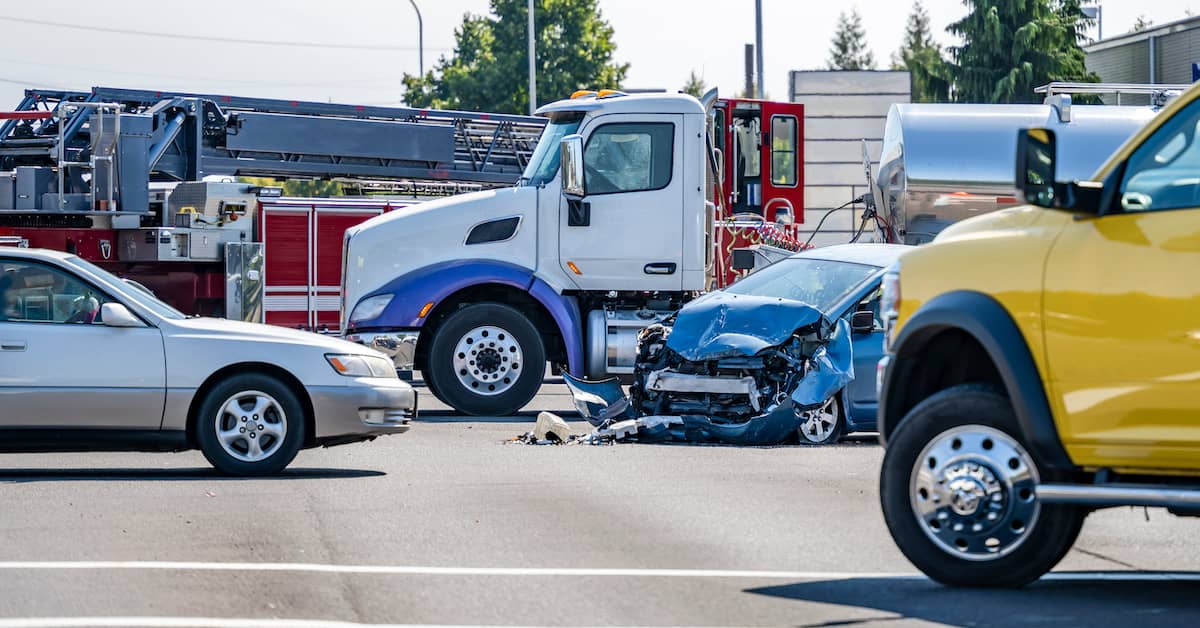
Securing maximum compensation after a commercial vehicle crash requires immediate, highly specialized action to preserve critical digital, physical, and regulatory evidence before it vanishes. Unlike standard passenger vehicle collisions, commercial trucking accidents involve complex corporate structures, strict federal transportation laws, and multiple potential parties at fault. Truck accident attorneys deploy comprehensive investigative strategies to dissect every second of a collision, exposing safety violations, equipment failures, and driver negligence. Experienced truck accident lawyers in Houston can help victims navigate complex insurance claims and secure fair compensation after a crash.
Issuing Immediate Spoliation Letters
The single most urgent step an attorney takes is issuing formal spoliation of evidence letters to the trucking company, insurance carriers, and maintenance contractors. Trucking companies maintain standard document retention schedules that legally allow them to overwrite or destroy key digital files in as little as 30 to 90 days.
A spoliation letter puts all involved entities on legal notice that litigation is pending, making the destruction, alteration, or deletion of crash-related evidence unlawful. Sending these notices right away protects vital onboard camera feeds, dispatch logs, and internal communications. Failing to issue these demands quickly allows critical proof to disappear through routine corporate data purges.
Extracting Black Box and Telematics Data
Modern commercial rigs function as mobile data hubs equipped with Electronic Control Modules (ECMs), Event Data Recorders (EDRs), and Electronic Logging Devices (ELDs). These black boxes record seconds-by-seconds mechanical metrics immediately before, during, and after an impact.
Engineers download this telematics data to uncover exact vehicle speeds, engine revolutions, steering angles, and braking patterns. ELD records expose Hours of Service (HOS) violations, revealing whether a driver exceeded federal driving limits or skipped mandatory rest breaks. This objective electronic trail provides irrefutable mathematical proof of driver fatigue or excessive speed.
Analyzing Mechanical Condition and Vehicle Inspection Logs
Substandard fleet maintenance often plays a direct role in catastrophic brake failures, tire blowouts, or steering loss. Legal teams dispatch certified heavy-vehicle mechanics to inspect the physical wreckage before the truck gets repaired or scrapped.
Investigators review mandatory pre-trip and post-trip inspection reports, historical maintenance logs, and roadside inspection histories. Cross-referencing physical brake pad wear and tire tread depth against service invoices exposes instances where carriers cut corners on essential safety repairs. Proving a motor carrier knowingly operated defective machinery establishes severe corporate liability.
Identifying Corporate Multi-Party Liability
Commercial shipping chains involve several interconnected businesses beyond just the person holding the steering wheel. A thorough legal investigation identifies every business entity that contributed to the incident.
Fault may lie with third-party freight brokers who hired sub-par freight carriers, loading dock contractors who improperly balanced cargo, or component manufacturers who produced defective tire treads. Uncovering all responsible corporate entities expands insurance coverage pools, ensuring full financial recovery for catastrophic medical injuries and long-term care needs.
Conclusion
Investigating a commercial truck accident demands rapid legal action, forensic technical expertise, and an in-depth understanding of federal safety regulations. Preserving black box data, securing vehicle maintenance logs, and reconstructing the crash scene allows attorneys to build unassailable cases against negligent drivers and fleet operators. Moving quickly to issue spoliation a demand prevents trucking corporations from hiding or destroying critical proof. Professional investigation converts complex digital data and physical debris into clear legal liability, securing the compensation injured victims deserve.